90 Day Interview Plan in 60–90 Minutes for Managers and Senior ICs
90 Day Interview Plan in 60–90 Minutes for Managers and Senior ICs
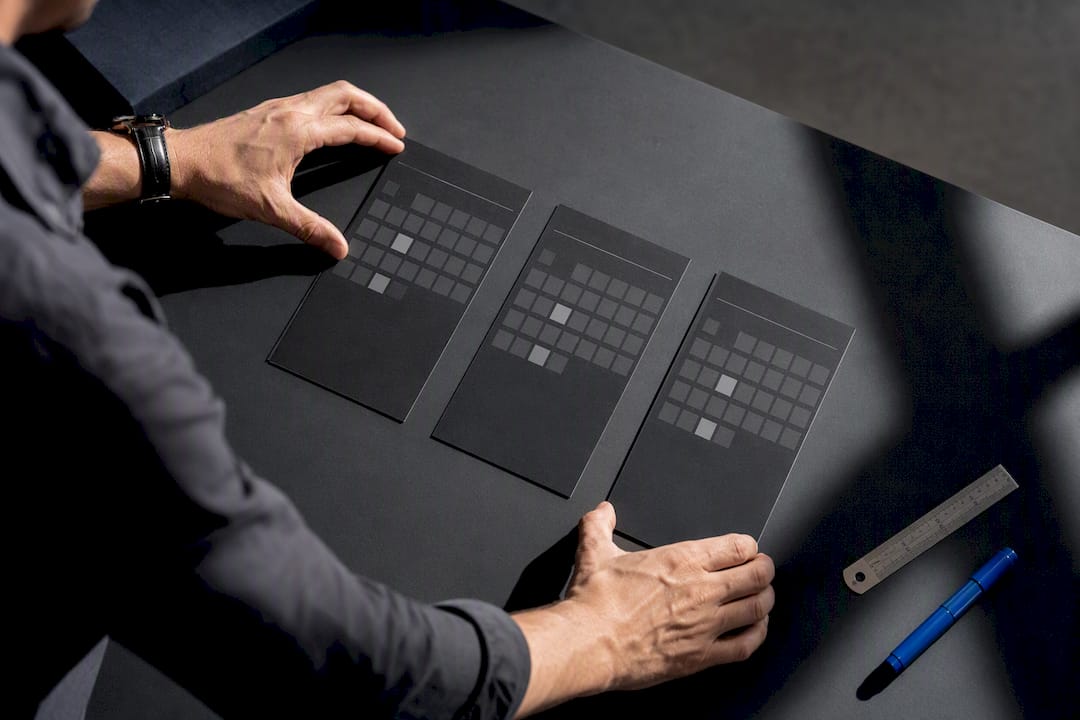
Yes, bring a 30-60-90 day plan to final-round interviews for manager, sales, and mid-to-senior individual contributor roles where you’ll be judged on execution, not just fit. Structure it as Learn (days 1 to 30), Contribute (31 to 60), Lead (61 to 90), with two to three measurable goals per phase. Keep it to one page or 3 to 5 slides, a 90 to 120 second spoken summary, and a 5 to 12 minute walkthrough if the interviewer wants more.
TL;DR:
- Most 30-60-90 day plans should focus on specific goals derived from company and role research, aiming for two to three measurable objectives per phase.
- A well-structured plan follows the sequence of learning, contributing, and leading, with clear deliverables and ownership at each stage.
- Presentation should be concise, with a 90-second spoken summary and a brief walkthrough, emphasizing concrete details and assumptions.
- Specificity and realism in goals are more effective than polish, and repetitive practice with AI feedback enhances clarity, pacing, and credibility.
- Always keep the plan to one page or a few slides and validate each goal’s specificity by reading it aloud before finalizing.
Table of Contents
- What Is a 90 Day Plan Interview Strategy, and How Is It Structured?
- How Do You Build a 90-Day Plan That’s Specific, Not Generic?
- How Should You Present Your Plan in the Interview?
- Templates and Examples: What a Strong Plan Actually Looks Like
- Common Mistakes and a Quick Quality Checklist
- How Iteration Helps You Sharpen the Plan and the Delivery
- What Actually Wins in the Room
- Practice Your Plan Before You Need It
- Sources
What Is a 90 Day Plan Interview Strategy, and How Is It Structured?
A 30-60-90 day plan is a short, structured document, typically one to two pages or a handful of slides, that lays out what you’ll do in your first three months on the job. It exists because hiring managers can’t fully picture you in the role from a resume and four interview rounds. A plan does the imagining for them, and it shifts the conversation from “did this person do good work somewhere else” to “can I see this person doing good work here.”
The canonical structure breaks into three phases, each with a distinct job to do:
- Days 1 to 30: Learn and diagnose. Run stakeholder interviews, complete onboarding, establish baseline metrics for your role, and land one visible but low-risk contribution, something small enough not to break anything, big enough to prove you’re already working.
- Days 31 to 60: Contribute and test. Pilot one project or process change, propose one concrete improvement based on what you learned in month one, and hold a mid-point check-in with your manager to confirm you’re solving the right problem.
- Days 61 to 90: Lead and scale. Own a measurable outcome you can point to, present results to your team or manager, and set a rough roadmap for the next quarter.
That sequence matters more than it looks. Interviewers consistently rate plans higher when they follow this Learn, Contribute, Lead progression instead of front-loading big changes, because jumping straight to “leading” in week two reads as arrogance, not initiative. The phase order is itself part of the pitch: it shows you understand that credibility gets earned before it gets spent.
How Do You Build a 90-Day Plan That’s Specific, Not Generic?
Most 30-60-90 plans fail for one reason: they read like they could apply to any company in the industry. The fix isn’t better writing. It’s better research, done in the right order.
Work through these sources before you draft a single goal:
- The job description first. Pull every named tool, process, team, or metric mentioned. These are the words the hiring manager already used to describe success.
- Your own interview notes. Go back through what recruiters and earlier interviewers said, especially any offhand comments about a struggling process or an open headcount gap.
- Company news and product pages. A recent funding round, product launch, or leadership hire tells you what’s actually on the company’s mind right now.
- LinkedIn profiles for the role and team. Look at what the last three people in similar roles actually did, and how the team is structured.
- Glassdoor or team reviews. These surface friction points, like slow decision cycles or unclear ownership, that you can address without ever sounding like you’re reading complaints back to them.
Once you’ve gathered signals, convert them into goals. If the job posting mentions a CRM migration, that becomes a Learn-phase goal: “Understand the current CRM setup and identify migration blockers by day 30.” Vague research produces vague goals; specific research produces the opposite. Aim for two to three focused, measurable objectives per phase, not five or six that dilute the plan.
Budget your time. A first draft takes 60 to 90 minutes once your research is done. The real work, tightening specificity and framing your assumptions honestly, takes another two to three hours. That second pass is where you strip out phrases like “build relationships with the team” and replace them with something a hiring manager could actually check off.
Pro Tip: Before you finalize the plan, read each goal out loud and ask: “Could a candidate for a completely different company at a different firm have written this sentence?” If yes, it’s still too generic.
How Should You Present Your Plan in the Interview?
Timing and delivery separate a plan that impresses from one that falls flat. Aim for a 90 to 120 second spoken summary: state the framework in one sentence, give one specific detail from each phase, then name one assumption you’d validate on the job. That formula covers the structure without turning into a monologue.
If the interviewer wants more, walk them through the full document in 5 to 12 minutes, pausing after each phase for questions rather than plowing through to the end.
Format depends on the setting:
- A one-page, three-column layout works best for handing across a table: columns for 30, 60, and 90 days, with rows for focus, priorities, tasks, and success metrics.
- A 3 to 5 slide deck fits screen-share interviews: a title slide, one executive summary slide, one slide per phase, and an optional appendix for extra detail if asked.
Offer the plan rather than announce it. Something like “I put together a rough 90-day outline based on what we’ve discussed. Want me to walk you through it?” invites participation instead of forcing a captive audience. Don’t read it verbatim; talk through it the way you’d explain a project to a new teammate. Flag your assumptions out loud, since naming them signals self-awareness rather than guesswork. Close with a question like “Does this match how you’d prioritize the first quarter?” That single question turns a monologue into a conversation, and it’s often the moment that produces the most useful feedback in the entire interview.
Pro Tip: Practice your 90 second summary against a timer at least five times before the interview. Most people either blow past 90 seconds on their first phase or rush the last two to compensate.
Templates and Examples: What a Strong Plan Actually Looks Like
The safest format is a three-column, four-row grid: columns for the 30, 60, and 90 day marks, and rows for Focus, Priorities, Tasks, and Success Metrics. Keep each cell to a phrase or short sentence, not a paragraph. It should be scannable in under a minute.
| Phase | Focus | Sales example | Manager example |
|---|---|---|---|
| Days 1 to 30 | Learn | Master CRM, shadow calls, study top 10 open deals | Run 1:1s with every direct report, map current workflows |
| Days 31 to 60 | Contribute | Pilot a new outbound sequence, close first assisted deal | Fix one broken process, run a small pilot with the team |
| Days 61 to 90 | Lead | Own a segment independently | Roll out the process fix team-wide, set next-quarter OKRs |
Notice what makes the sales and manager rows different from a generic template: they name concrete artifacts (the top 10 deals, a specific process) rather than abstractions like “build pipeline” or “improve efficiency.” That specificity is what an executive coach’s guidance on plan quality points to again and again: the plans that land reference the company’s actual situation, not a category of situation.
A weak version of the manager row might say “improve team communication” in month two. A strong version says “identify the process causing the most rework, based on 1:1 feedback, and pilot a fix with two team members by day 60.” Same ambition, wildly different credibility.
Common Mistakes and a Quick Quality Checklist
Three mistakes sink plans more than any others: generic “meet the team” filler with no added detail, big promises for month one that outrun what any new hire could actually deliver, and a total absence of conditional language, which makes every claim sound like overconfidence rather than informed judgment.
Fix the third one with phrasing, not more research. Say “based on the job description, I’d expect the biggest blocker to be X, and I’d validate that in week two” instead of stating it as settled fact. That framing turns wrong guesses into useful conversation starters instead of broken promises, and it gives the interviewer an easy way to correct you without the moment feeling like a failure.
Before you walk into the room, run through this:
- Is the whole plan one page or five slides, max?
- Does each phase have two to three measurable goals, not five?
- Have you named specific stakeholders or roles you’d meet in month one?
- Is there one quick win identified in the first 30 days?
- Does every goal have a metric attached, not just an activity?
- Have you practiced the 90 second version out loud at least three times?
If you can’t check all six, you’re not ready yet.
How Iteration Helps You Sharpen the Plan and the Delivery
A written plan is half the job. The other half is saying it out loud without stumbling, and that’s harder to self-assess than most candidates expect.
Iteration lets you record your 90 second summary and get structured AI feedback on clarity, specificity, and whether your goals actually sound measurable or just optimistic. You can also run a timed 10 to 12 minute mock walkthrough with follow-up questions built in, closer to what a real final-round conversation feels like than reciting the plan alone in a mirror.
What Iteration actually flags:
- Vague phrasing that sounds confident but says nothing concrete
- Missing metrics attached to stated goals
- Weak transitions between phases in your spoken delivery
- Pacing issues, like rushing month three because you overran on month one
Transcript review after each session shows exactly where the language went generic, which is usually the same spot you’d never catch listening back yourself.
What Actually Wins in the Room
Specificity beats polish every time. A plan with rough edges but real company detail outperforms a slick template with none. Stay coachable, invite pushback, and use mock interviews to pressure-test your assumptions before the real ones do.
— Iteration
Practice Your Plan Before You Need It
The candidates who deliver a 90-day plan smoothly aren’t improvising. They’ve said it out loud enough times that the timing feels natural instead of memorized. Iteration is built for exactly that rehearsal gap: record your 90 second summary, get AI feedback on where the language goes generic or the pacing drags, then run it again until the delivery matches the quality of the plan itself.

Start with a free practice session on Iteration’s platform and run your 30-60-90 summary against the timer. If you want to see how AI-driven feedback compares to just asking a chatbot to critique your answer, the breakdown on Iteration versus ChatGPT for interview feedback is worth a look before your next round. For readers who want a coaching angle alongside the AI practice, Cornerstone Search’s interview prep resources cover the hiring-manager side of the conversation. Record one session tonight. Play it back tomorrow before you walk into the interview.
Sources
- 30-60-90 Day Plan for Interview: Examples, Templates & Sample Answers
- 30-60-90 Day Plan for a Job Interview: Template, Examples and What Hiring Managers Want
- 30-60-90 day plan guidance from executive coach Corby Fine